
🏴 Husayni Mourning Around the World – 2026
🌐 2. India:
Ashura International Foundation / Husayni Mourning News:
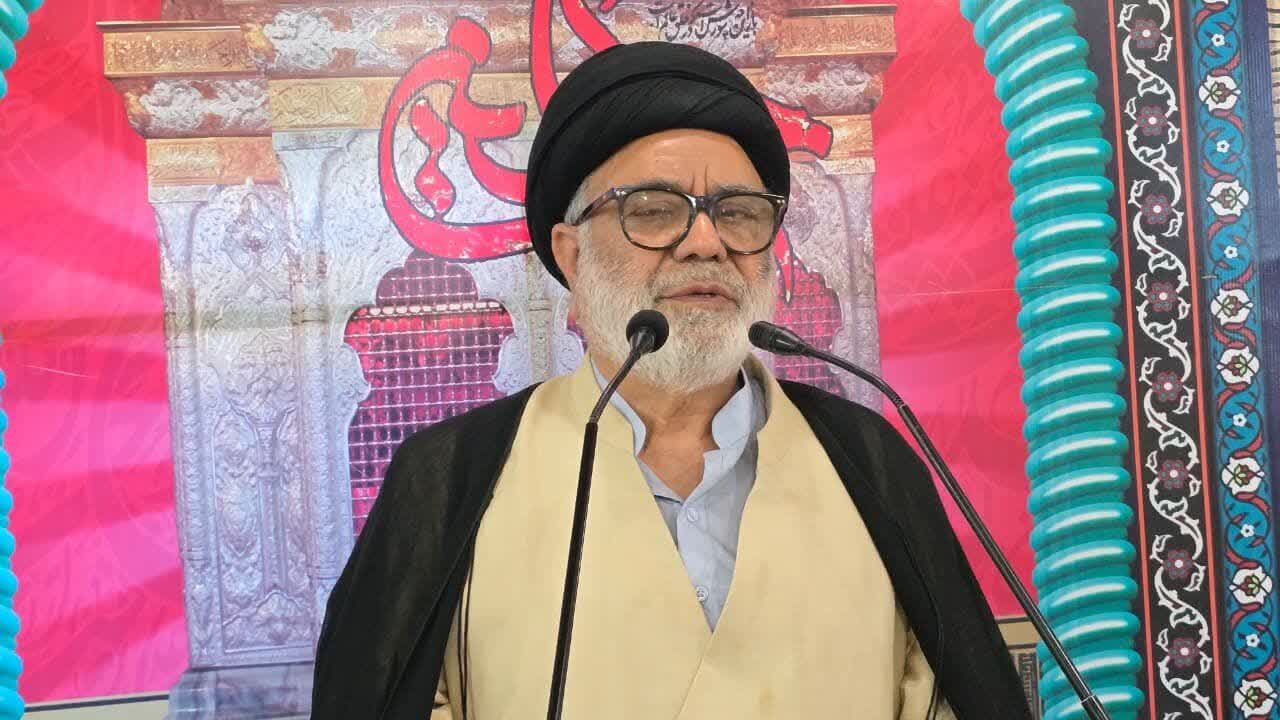
Concurrent with the month of Muharram, an important consultative and executive meeting of the Shiite Sharia Association of Kashmir was held at the organization’s headquarters, Dar al-Mustafa (p.b.u.h.), located in Budgam, Kashmir. Attendees at this session included association members, executive officials, managers of various committees, eulogists and elegy reciters, representatives of religious delegations (hey’ats), and a number of religious activists, who exchanged views on planning and coordinating the Muharram mourning ceremonies.
*Muharram; An Opportunity for Self-Improvement and Individual and Social Reform
At this ceremony, Hojat al-Islam Haj Sayyed Hasan al-Mousawi al-Safawi, the head of the Shiite Sharia Association of Jammu and Kashmir, in his remarks while emphasizing the educational and spiritual significance of Muharram, called upon the faithful to welcome this month with sincerity, discipline, piety, and a spirit of self-improvement.
He further stated, referring to the objectives of Imam Husayn’s (a.s.) uprising: The Ashura movement was launched to reform the Islamic ummah; therefore, every faithful individual must seize the opportunity of Muharram to reform their behavior, enhance spirituality, strengthen commitment to Islamic values, and reevaluate their lifestyle.
*Mourning Must Be Authentic, Simple, and Free from Innovations (Bid’ah)
The head of the Shiite Sharia Association of Jammu and Kashmir emphasized that mourning ceremonies must be held within the framework of the teachings of the AhlulBayt (a.s.) and free from any extremism, innovation (bid’ah), and practices inconsistent with Islamic teachings.
He called upon mourners to refrain from any customs and habits that do not align with the spirit of Islamic teachings and the authentic culture of Ashura, and to strive to preserve the authentic mourning traditions that have been passed down from elders and predecessors generation after generation.
This prominent Kashmiri scholar, in another part of his remarks referring to the sanctity of Ashura, called upon mourners to refrain from eating and drinking on the noon of Ashura and to suffice with simple food afterward. He stated that it is fitting for Ashura to be spent in an atmosphere filled with grief and sorrow, in remembrance of the thirst and oppression of Imam Husayn (a.s.) and his loyal companions, accompanied by recounting the tragedies of Karbala, worship, prayer, and supplication (tawassul).
*Preserving the Message of Ashura; A Collective Responsibility
In conclusion, he emphasized the necessity of the enthusiastic presence of the people in the morning gatherings of Ashura and the mourning processions on Ashura, and called for full compliance with announced schedules, and the maintenance of order, security, and dignity of the ceremonies.
Hojat al-Islam Sayyed Hasan al-Mousawi al-Safawi noted: Keeping alive the message of Imam Husayn (a.s.) and the culture of Ashura, based on the teachings and will of the AhlulBayt (a.s.), is a shared responsibility upon all segments of society, and efforts must be made to properly convey this message to future generations.
Subsequently, Hojat al-Islam Sayyed Mujtaba Abbas Mousavi, a Kashmiri cleric, detailed the agenda and planned programs for the days of Muharram and, referring to the important role of ceremony organizers, eulogists, volunteers, and mourners, emphasized the necessity of maintaining discipline and order in the ceremonies and mourning processions.
He also enumerated full compliance with the schedule announced by the Shiite Sharia Association, widespread participation in the morning Ashura ceremonies and the rituals of Ashura, cooperation with executive and law enforcement agencies, diligence in performing prayers, and maintaining simplicity, dignity, and spirituality in all mourning programs as among the most important duties of the mourners.
*Emphasis on Youth Participation and Preserving the Authentic Identity of Mourning
Participants at this meeting, examining various aspects of the Muharram programs, emphasized the necessity of active and widespread presence of the younger generation in religious ceremonies. They also considered strengthening organizational connections, preserving the traditional and authentic identity of mourning, full compliance with laws and regulations, and extensive participation in the central Ashura procession and march in Budgam, Kashmir, as among the important priorities of Muharram.
Attendees believed that the conscious participation of youth in Muharram programs can play an effective role in transmitting the culture of Ashura and preserving the spiritual heritage of the AhlulBayt (a.s.) for future generations.
At the conclusion of this meeting, participants prayed for the successful and glorious holding of the Muharram ceremonies, for the unity and solidarity of the Islamic ummah, and for the people and martyrs of Palestine, Iran, and Lebanon.
Short link
Questions and Comments